A Short Guide to Commercial Mower and Equipment Maintenance for Small Lawn Care and Landscape Businesses
A concise guide detailing essential maintenance practices for commercial mowers and landscaping equipment to enhance performance and longevity for small lawn care businesses.
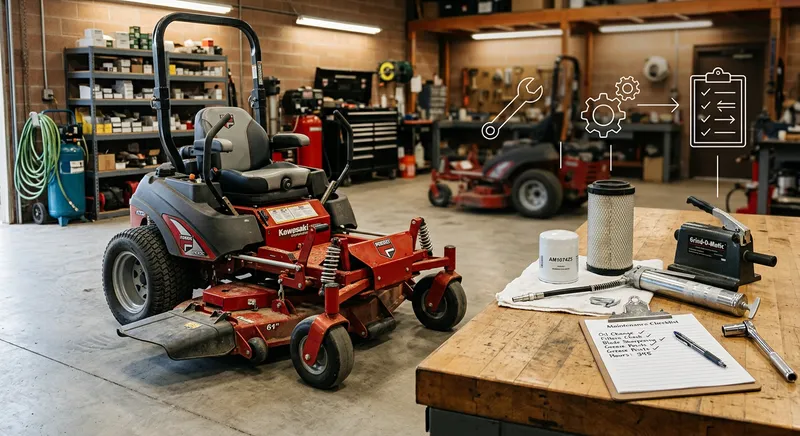
Table of Contents
The success of any small lawn care or landscaping business largely hinges on the reliability and efficiency of its equipment. High-quality commercial mowers, trimmers, and other landscaping tools are essential for delivering excellent results to your clients. However, acquiring top-tier equipment is only half the battle - maintaining that equipment in prime working condition is equally, if not more, vital.
This article aims to provide a quick guide on commercial mower and other equipment maintenance. The tips outlined will not only help extend the lifespan of your tools but also ensure optimal performance, ultimately saving your business precious time and money.
Regular Cleaning
One of the simplest yet most effective maintenance tips is to keep your equipment clean. After each use, remove any grass clippings, leaves, and other debris from your mowers and tools. Grass clippings contain moisture and acids that accelerate corrosion, particularly on mower decks and blade housings. Use a deck scraper or pressure washer (on low setting, avoiding bearings and electrical components) to remove caked-on debris. This also prevents grass buildup that can impede airflow and reduce cutting efficiency.
Oil Change
A regular oil change is critical for engine longevity. For new equipment, perform the first oil change after 5-8 hours of operation to flush out metal particles from the break-in period. After that, most manufacturers recommend changing the oil every 50-100 hours of operation, or at least once per season. Use the oil viscosity specified in your owner’s manual (typically 10W-30 for most temperatures, or SAE 30 for warmer climates). Always check oil levels before each use - commercial mowers can consume oil during normal operation, and running low can cause catastrophic engine damage.
Blade Maintenance
Sharp blades are essential for a clean cut and healthier lawns. Dull blades tear grass instead of cutting it cleanly, leaving frayed tips that turn brown and become more susceptible to disease. Professional landscapers typically sharpen blades every 20-25 hours of use, or more frequently when mowing in sandy or abrasive conditions. Inspect blades for nicks, cracks, and excessive wear. Replace blades that are bent, cracked, or worn thin - a compromised blade can shatter at high RPMs, creating a serious safety hazard. When sharpening, maintain the original blade angle (usually 30-45 degrees) and ensure both ends are balanced to prevent vibration.
Air Filter Checks
A clean air filter ensures proper air-to-fuel mixture and protects the engine from abrasive particles. In dusty conditions common to landscaping work, check air filters daily. Paper filters should be tapped clean (never use compressed air, which can damage the filter media) and replaced when visibly dirty or after 100-200 hours. Foam pre-filters should be washed with soap and water, dried completely, and lightly oiled before reinstalling. A clogged air filter reduces engine power, increases fuel consumption, and can cause the engine to run rich, leading to carbon buildup.
Spark Plug Maintenance
Spark plugs are often overlooked but critical to engine performance. Inspect spark plugs every 100 hours and replace them annually or every 300 hours. Check for worn electrodes, carbon deposits, or oil fouling. Use the correct plug type and gap specified by the manufacturer (typically 0.030 inches for most small engines). A worn or fouled spark plug causes hard starting, misfires, and reduced fuel efficiency.
Fuel System Care
Modern ethanol-blended fuels (E10) can cause problems if equipment sits for more than 30 days. Ethanol attracts moisture and can degrade rubber fuel lines and carburetor components. Use fuel stabilizer in all stored fuel, or use ethanol-free fuel when available. Replace fuel filters annually and inspect fuel lines for cracking or deterioration. Never use fuel more than 30 days old without stabilizer.
Regular Inspections
Be proactive in checking for potential issues before each use. Inspect drive belts for cracking, fraying, or glazing - replace belts that show wear rather than waiting for failure. Check tire pressure on riding mowers (uneven pressure causes an uneven cut). Verify all safety switches function properly. Grease all fittings according to the maintenance schedule - most commercial mowers have multiple grease points on spindles, caster wheels, and pivot points that require attention every 25-50 hours.
Proper Storage
Store equipment in a dry, covered area away from corrosive chemicals and fertilizers. If storing outdoors is unavoidable, use breathable equipment covers rather than plastic tarps, which can trap moisture. Clean equipment thoroughly before storage. For extended storage, consider applying a light coat of oil to unpainted metal surfaces to prevent rust.
Winterizing Your Equipment
For off-season storage lasting more than 30 days, proper winterization prevents costly spring repairs. Run the engine until the fuel tank and carburetor are empty, or fill the tank completely with stabilized fuel to prevent condensation. Change the oil while the engine is warm to remove contaminants. Remove the battery and store it in a cool, dry place on a trickle charger. Remove spark plugs and add a small amount of fogging oil to the cylinders to prevent corrosion. Clean the entire machine, sharpen and coat blades with oil, and store in a dry location.
Professional Servicing
Even with diligent maintenance, have your equipment professionally serviced at least once per year, ideally before the busy season. A qualified technician can adjust valve clearances, test ignition timing, inspect hydraulic systems, and identify wear that’s difficult to detect without specialized tools. This annual service typically pays for itself by preventing mid-season breakdowns and extending equipment life.
By following these maintenance practices, you can maximize the lifespan and performance of your commercial equipment. Well-maintained mowers deliver a superior cut, use less fuel, and rarely leave you stranded on the job - allowing your business to maintain its reputation for reliability while reducing long-term equipment costs.
Looking for more ways to grow your business? While you’re out in the field maintaining equipment, an AI receptionist can answer calls, qualify leads, and book appointments 24/7.